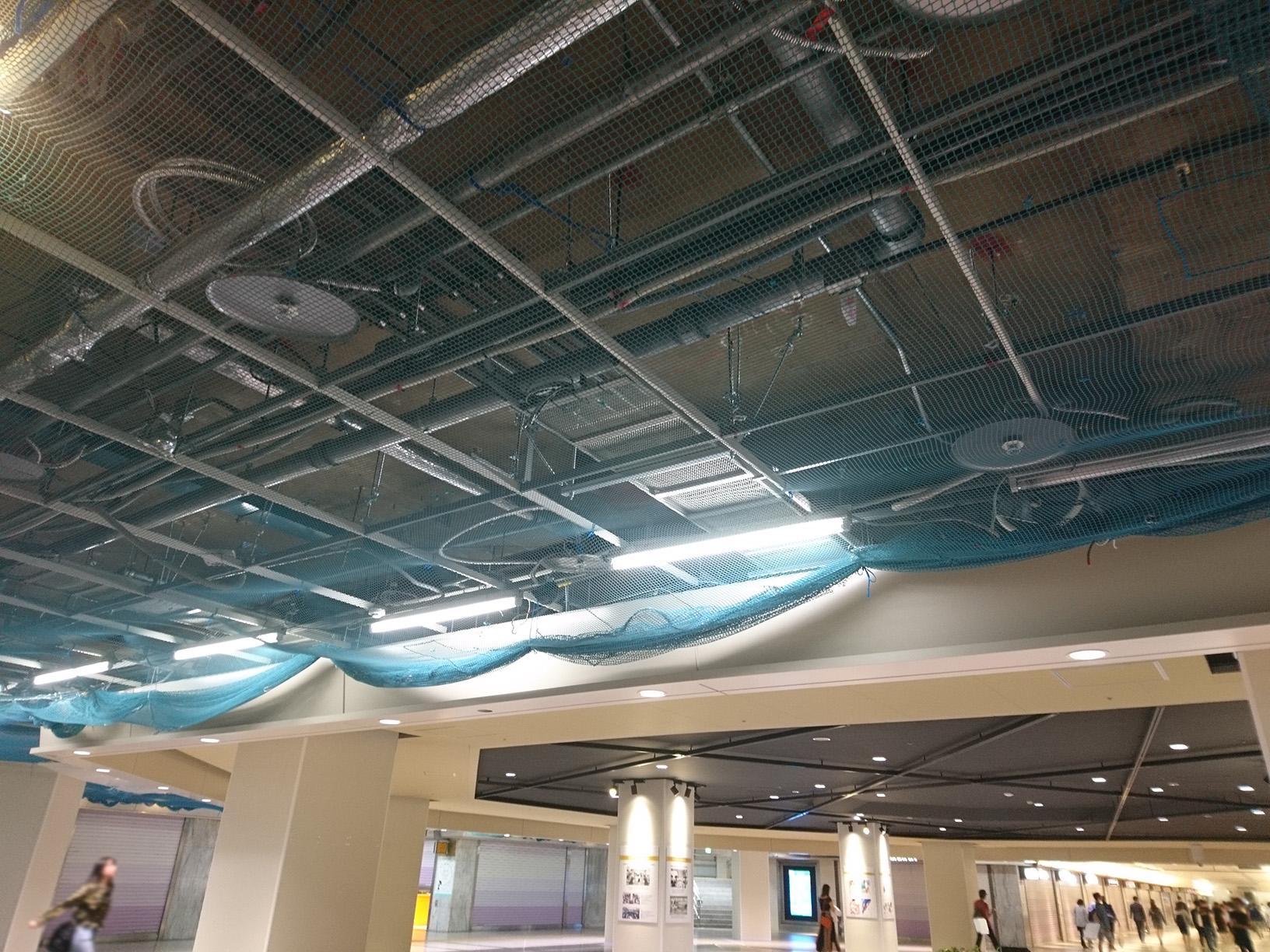
Fire sprinkler installation from design to commissioning
A sprinkler install runs from coordinated survey to a witnessed hydro test, alarm-valve setup and owner training. Commissioning is a record, not a handshake.
An independent Australian fire-protection journal
Est. 2004
Australia
Fire SprinklersIndependent Australian editorial on fire sprinkler systems, installation and compliance.
Standards, installation, maintenance and the questions owners actually ask.
From drawing to wet test
System types, hydraulic calculations, water supplies, head selection and the site sequence from first mark-out to commissioning.
A sprinkler install runs from coordinated survey to a witnessed hydro test, alarm-valve setup and owner training. Commissioning is a record, not a handshake.
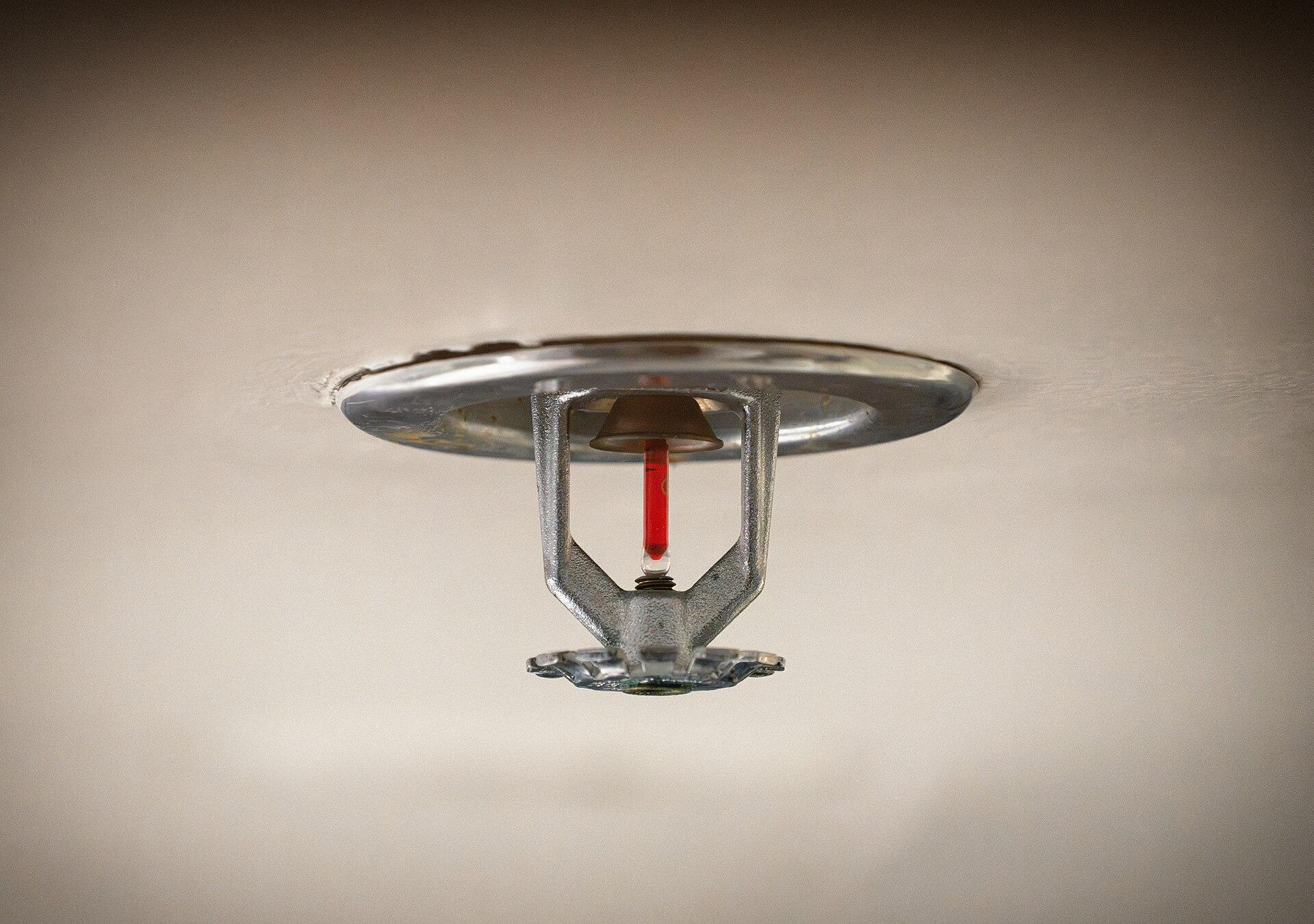
Pendant, recessed and concealed heads are not just finishes. Temperature rating, response index and cover-plate rules decide whether a head will open in time.
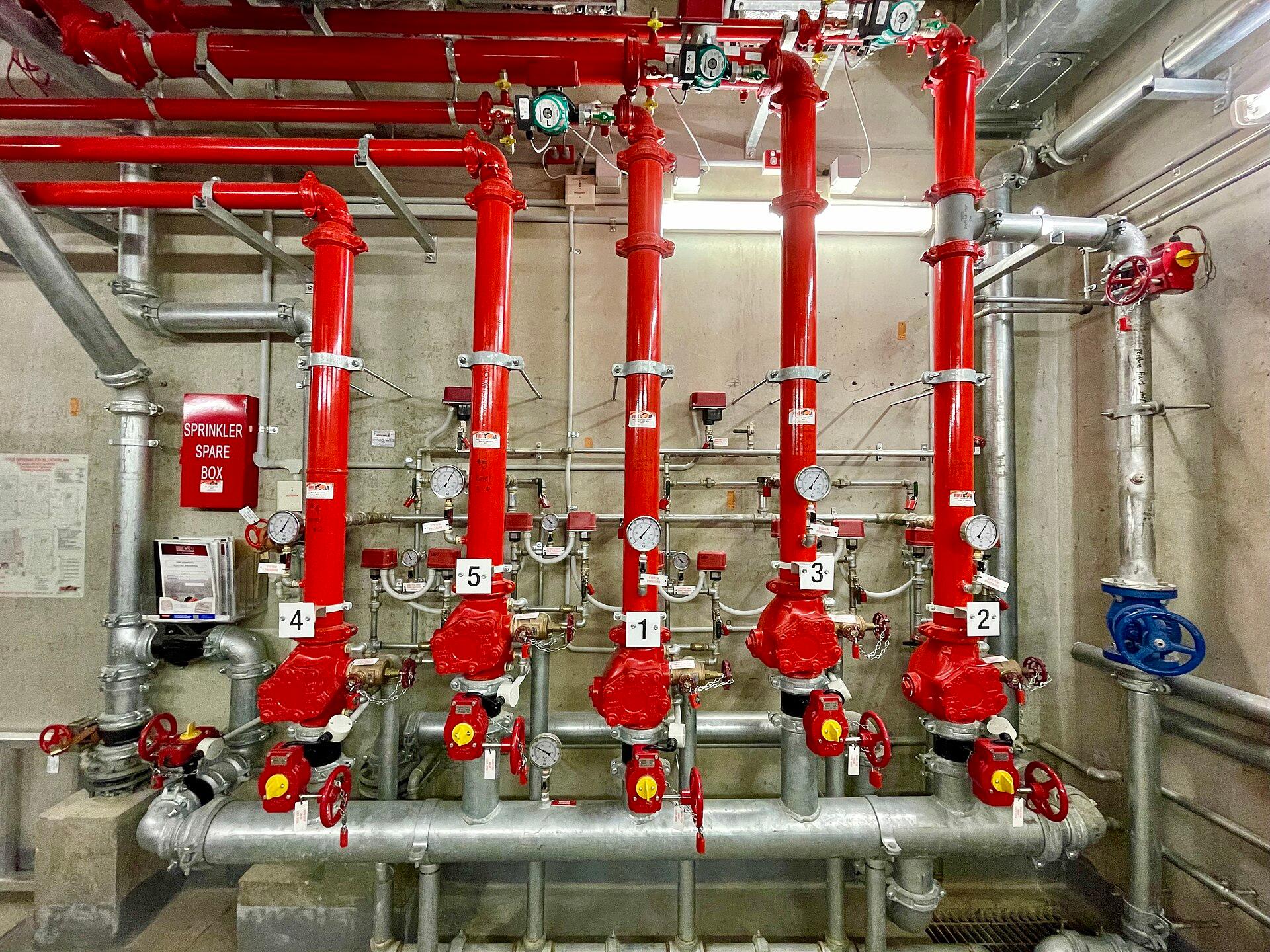
Town mains, suction tanks and fire pumps decide whether an Australian sprinkler system will actually flow. Shared hydrant-and-sprinkler tanks need extra care.
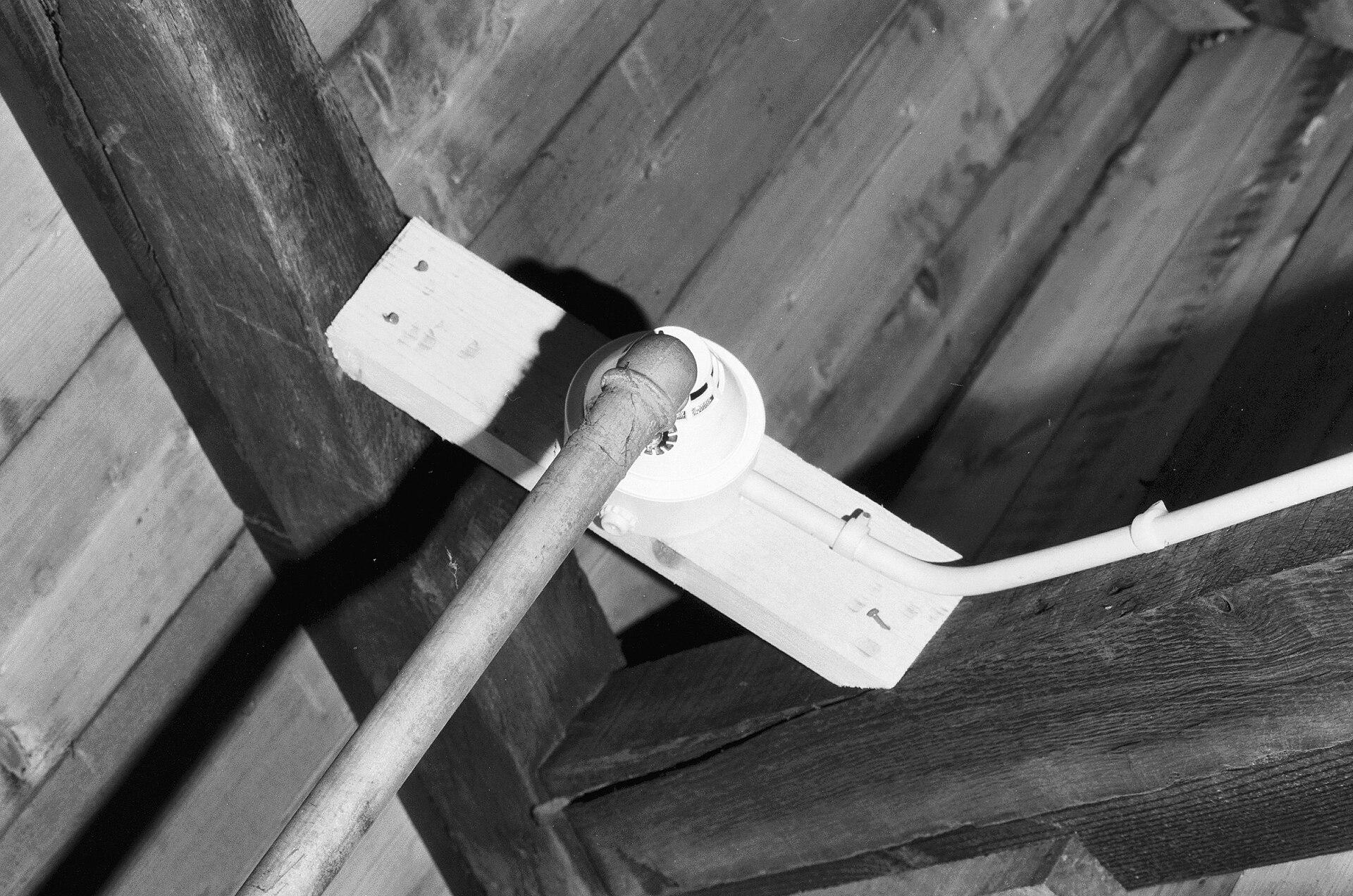
A hydraulic calculation sizes pipe so the remote area can deliver the design density. Owners should ask to see the town-main residual graph, not just a certifier's stamp.
Most Australian buildings should stay on wet pipe. Dry pipe, pre-action and deluge exist for freeze risk, water-sensitive rooms and high-challenge fires — they are not upgrades.